Material grounding within shifting horizons
How studio practice connects us to landscape, memory, and community.

Cultural Policy and Public Memory
For almost a decade now, I’ve been researching and working in the cultural friction of how we memorialize, interpret, and reshape our built environment. While I, like most of us, find myself closely unpacking the current election cycle, I am anticipating renewed debates over cultural policies, particularly around architecture, monuments, and public space.
When Trump-era cultural policies reemerge, we may see a return to the controversial emphasis on "classical" architecture as the preferred style for federal buildings. This push for a specific aesthetic, framed as a return to "traditional American values," raises complex questions about who defines national identity and whose narratives are celebrated or silenced in public spaces.
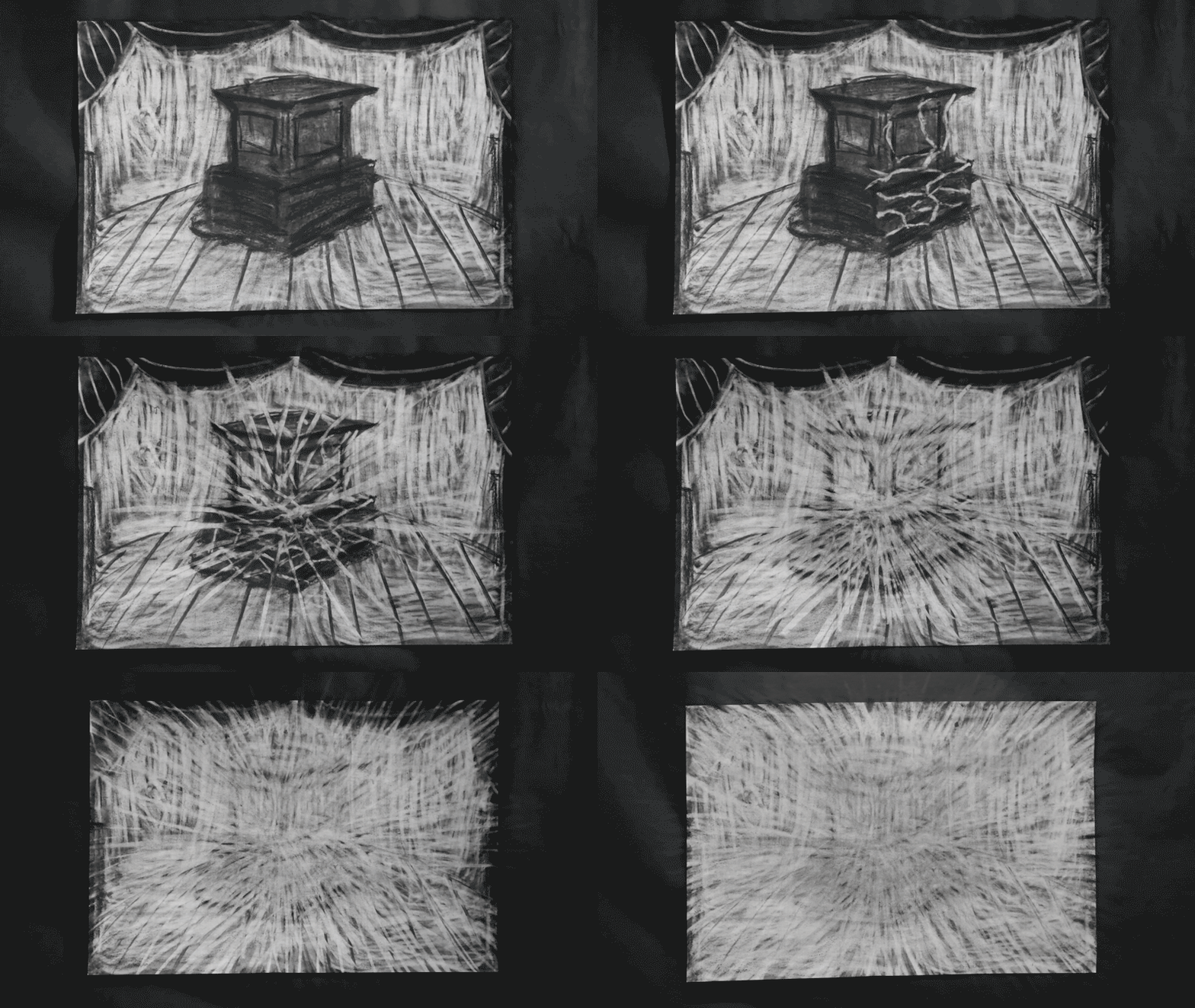
The discussion around monuments always reawakens tensions about how our nation grapples with its past. Under the previous Trump administration, there was a significant focus on preserving certain monuments while sidelining efforts to critique or contextualize symbols associated with historical injustice. This could potentially limit the stories represented in public spaces and cultural funding; let’s remember, Trump tried to end federal funding for the NEA during his first administration.
Regardless of outcome, our collective understanding and future cultural landscape will bear witness because place has memory. What remains to be known is whether that memory will be etched in stone, or toppled from a plinth.
Grounding in the Studio
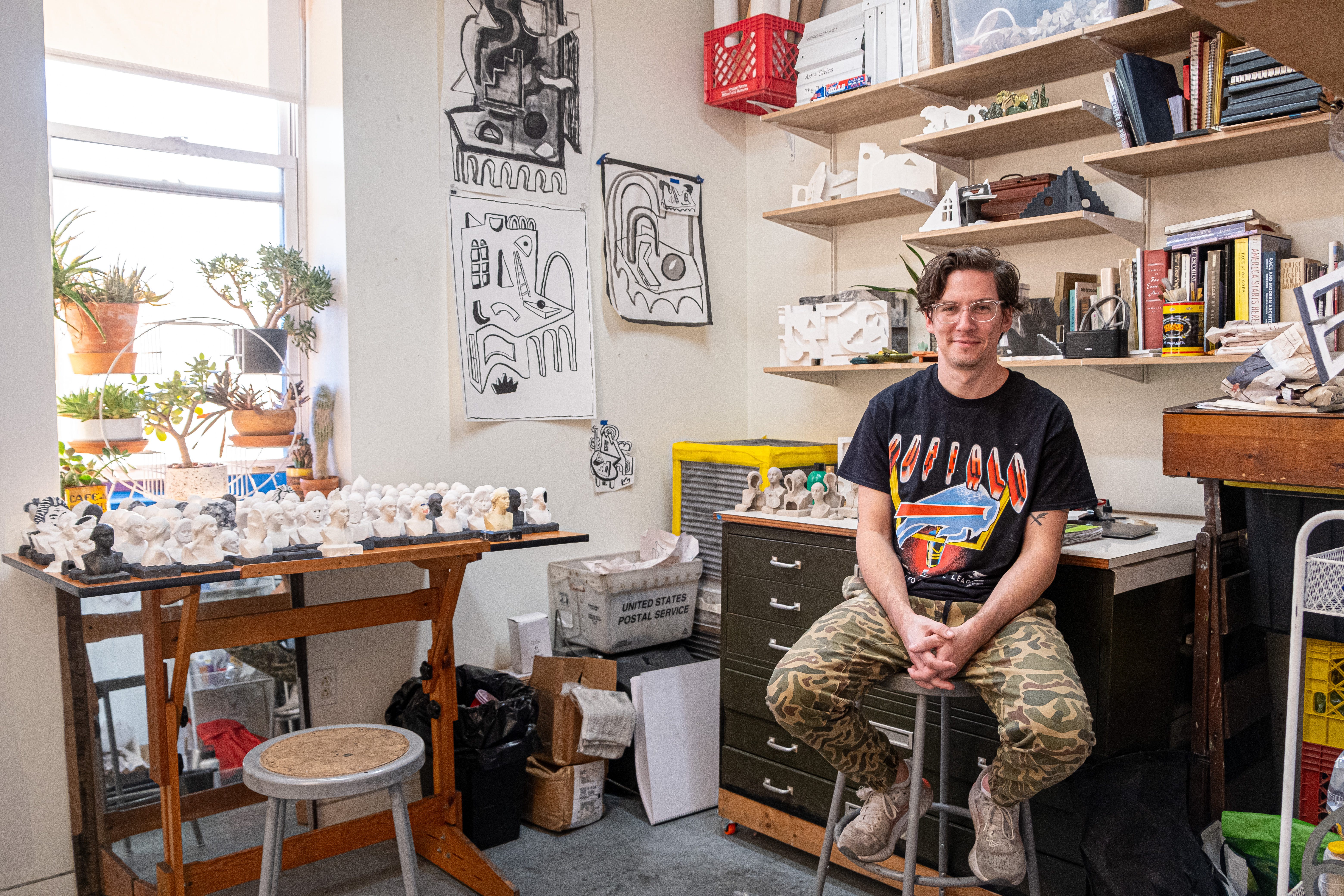
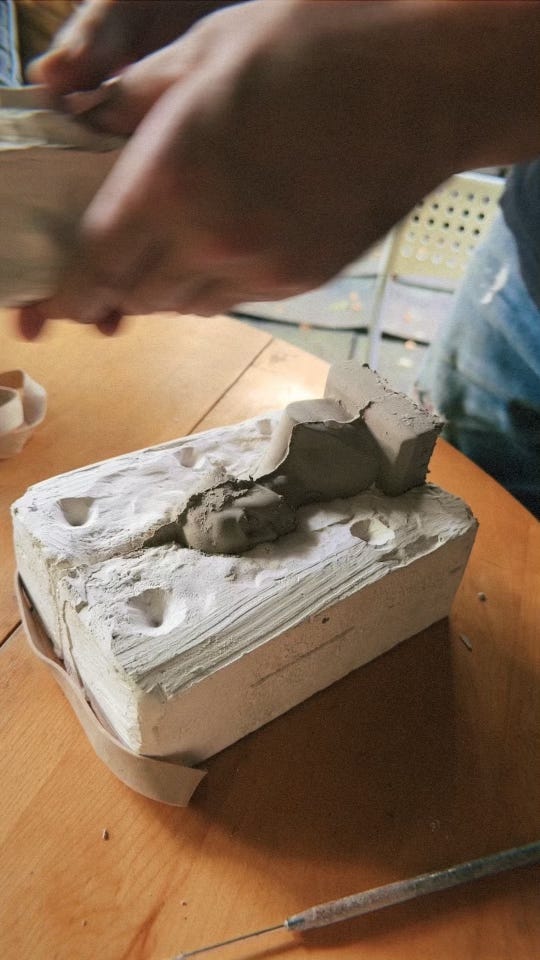
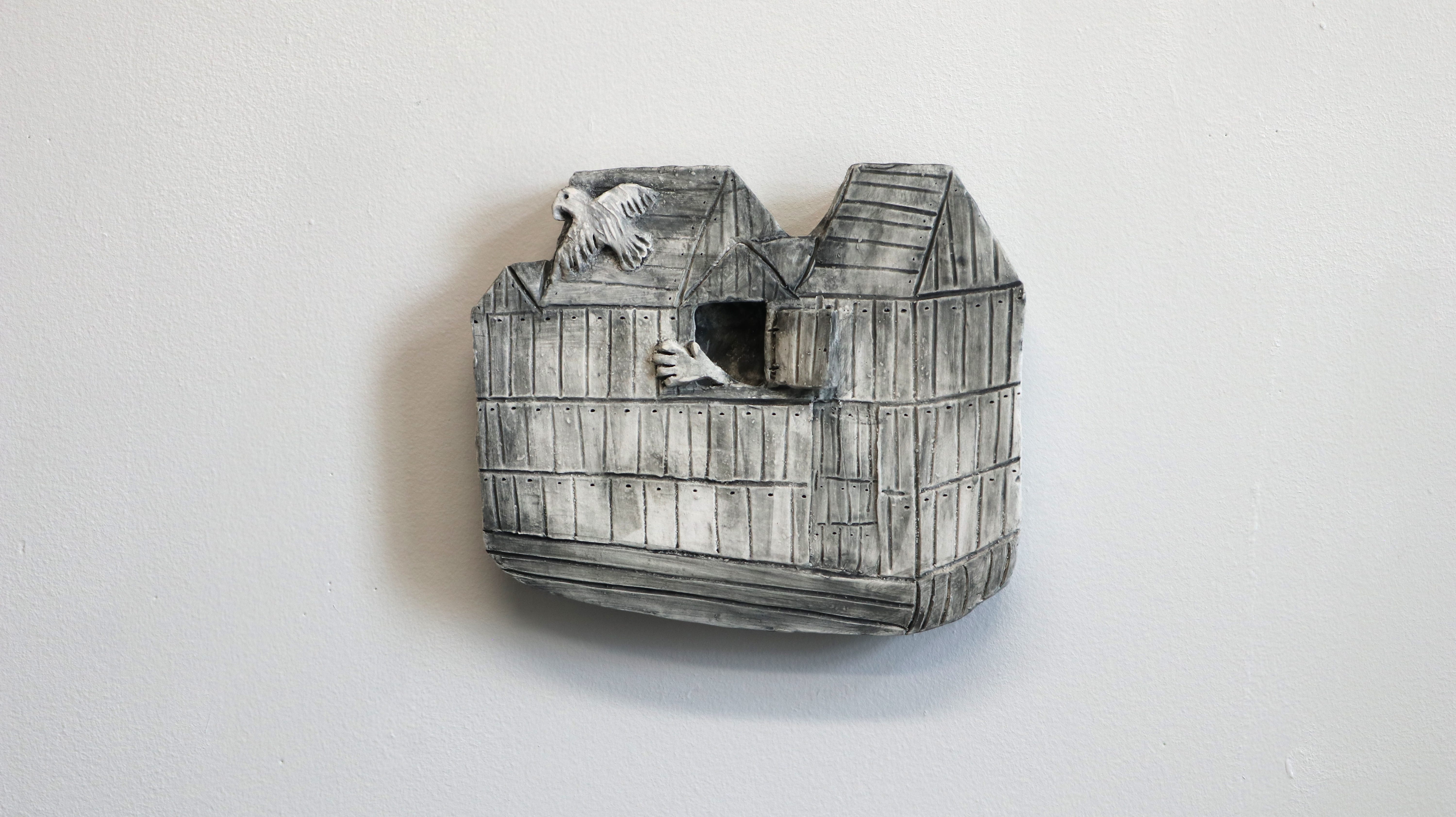
Meanwhile, my studio practice has been alive with material. I’ve been experimenting with earthenware—there's something profoundly grounding about shaping earth with my hands, tapping into a deep, haptic connection with natural materials. The process feels almost like a conversation with the landscape, with each piece capturing a moment of contact between concept and physicality.
In ceramics, I’m discovering a new language of form and texture, where techniques like slip casting and hand-building carry new weight. The material’s malleability invites exploration, allowing me to play with scale, surface, and structure in ways that feel both meditative and dynamic. This work has brought a deeper sense of purpose to my practice. As I’ve transitioned away from social practice in recent years, engaging with materiality has helped me approach ecological themes from a place that feels connected and grounded.
Teaching as a Creative Exchange
As I enter my second full year of teaching, the dynamic feedback loop between classroom and studio practice has been deeply rewarding (and exhausting). Teaching has a way of challenging my assumptions and pushing me to articulate my thoughts and processes more clearly. This ongoing dialogue with students and colleagues has brought up a multitude of questions about the role of material arts education in a prominently digital world.
While the adjunct grind comes with its challenges—balancing multiple responsibilities and adapting to different institutional cultures—it has also been an invaluable experience. I've found that these next generation of students are eager, curious and driven, and I’ve seen that from the Kentucky Governor’s School for the Arts to Temple University, and now Rowan University.
Residencies on the Horizon
Spring marks a unique chapter in my career, functioning almost as a sabbatical semester. This period will be dedicated to an immersive residency cycle—the first time I’ll be fully devoting myself to this format. In the first part of 2025, I’ll be at Vermont Studio Center and then Kimmel Harding Nelson Center for the Arts till Mid March. These opportunities carry the promise of meaningful development for my work and personal growth within a community of like-minded creatives.
I’m eager to develop new work, tackle larger-scale projects, and incorporate new methods and materials. The cycle also brings a sense of renewal and inspiration, with chances to collaborate, exchange ideas, and see how my work develops in this manner. I’m ready to take full advantage of this kind of artistic permission. I’ll be excited to return to teaching with fresh insights and perspectives in the fall of 2025.